RECENT POSTS
18.December.2025
Why Butterfly Jewelry Is a Powerful Gift for Women in a Transitional Phase of Life
0 CommentsWhy Butterflies Lift Our Mood
There’s a reason butterflies stop us in our tracks.
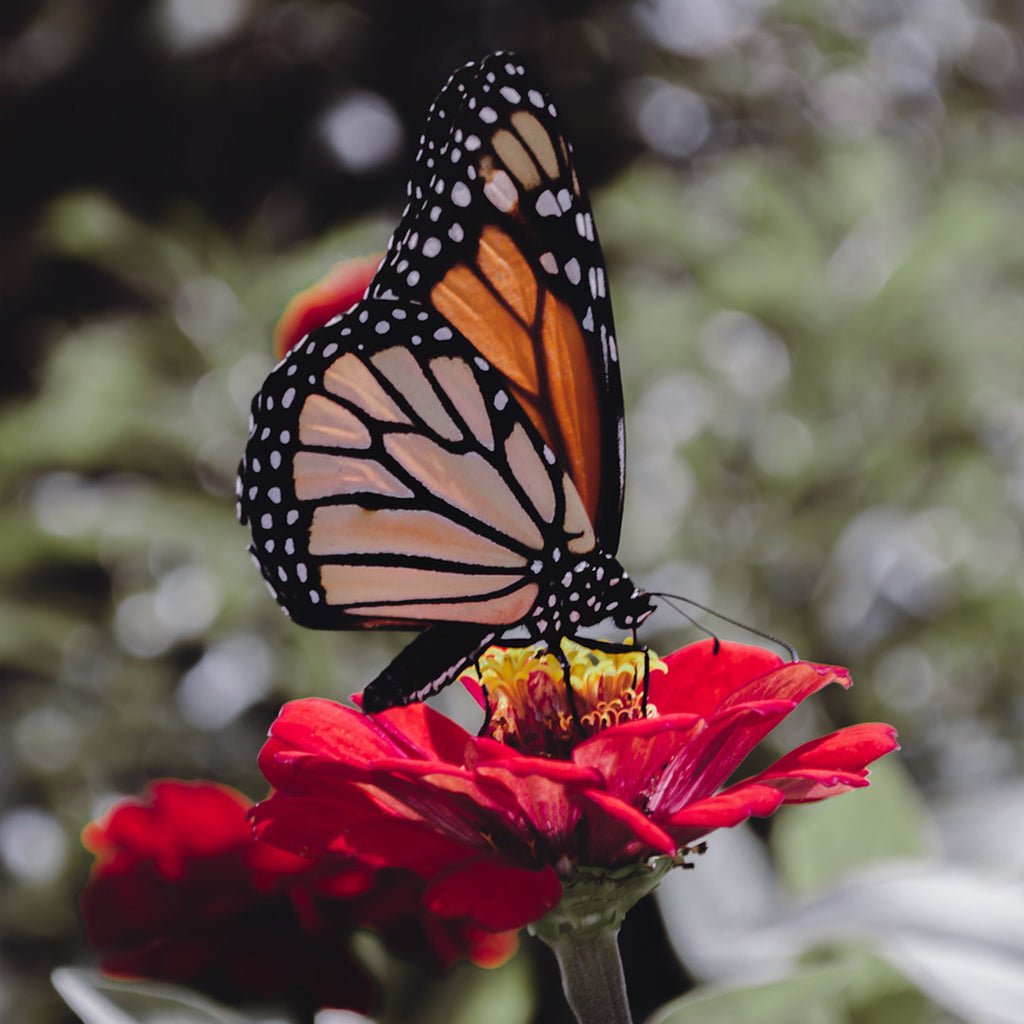
Even in the middle of a busy day, even when our minds are crowded, the sight of a butterfly tends to slow us down. We notice. We soften. We breathe a little deeper. And for a brief moment, something inside us feels lighter.
This response isn’t accidental — and it isn’t just symbolic.
Our Brains Are Wired for Nature
Psychologists and neuroscientists often point to biophilia — the idea that humans have an innate connection to the natural world. Exposure to natural elements has been shown to reduce stress, improve mood, and gently restore mental focus.
Butterflies, as living, moving elements of nature, activate that response almost instantly. They remind the nervous system that it is safe to slow down.
Gentle Motion Signals Safety
Butterflies move in a way that is light, unforced, and unpredictable — but not threatening. Research on visual perception suggests that humans respond more positively to slow, organic movement than to sharp or mechanical motion. It’s calming rather than activating.
A butterfly doesn’t rush through space. It drifts.
And our bodies mirror that softness without us even realizing it.
Color and Light That Regulate, Not Overstimulate
Butterfly wings often carry natural gradients, symmetry, and colors drawn directly from the environment — creams, sages, muted blues, warm neutrals. These tones are known to be less stimulating to the nervous system than high-contrast or overly saturated colors.
Light plays a similar role.
Environmental psychology shows that soft, warm, diffused lighting can lower cortisol levels and support emotional regulation — especially in the evening, when harsh overhead light can keep the body in a state of alert.
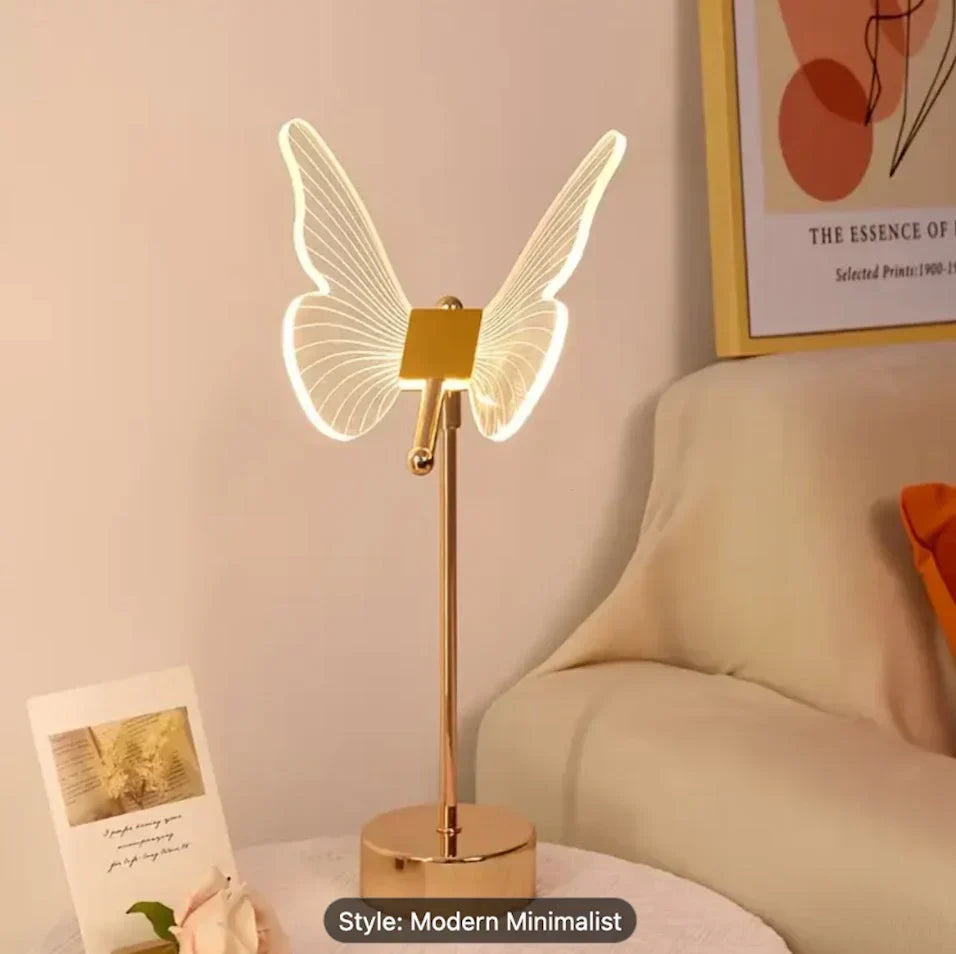
That’s why pieces like the Tranquility Ambiance Lamp feel so grounding. Its gentle glow mirrors the same qualities that make butterflies calming: softness, warmth, and presence without demand. It doesn’t compete for attention — it creates space for it.
Placed beside a bed, on a reading table, or in a quiet corner, it becomes part of a daily ritual of unwinding rather than another object asking to be noticed.
The Science of Becoming
From a psychological perspective, transformation is most sustainable when it happens gradually. Sudden change can activate stress responses; slow, embodied change allows the brain to adapt and integrate.
The butterfly lifecycle reflects this truth:
-
Long periods of stillness
-
Internal development
-
Eventual emergence
For many women — especially those who have carried responsibility for years — this symbolism resonates deeply. It reflects growth that honors rest, patience, and timing rather than urgency.
Attention, Restored
Environmental psychology also tells us that gentle natural stimuli help with attention restoration — the brain’s ability to recover from mental fatigue.
Butterflies don’t demand focus.
They invite it.
The same is true of thoughtfully chosen objects that support calm — soft light, intentional design, and materials that feel grounded rather than performative.
Why Butterflies (and Calm Light) Belong at Butterfly Cove
Butterfly Cove was built around this understanding — not as decoration, but as intention.
Butterflies represent:
-
Softness without weakness
-
Beauty without excess
-
Change without chaos
And pieces like the Tranquility Ambiance Lamp support that same philosophy: creating environments that help you exhale, slow down, and feel at ease in your own space.
Sometimes the smallest shift in atmosphere — a pattern, a texture, a gentle light — can change how we feel entirely.
And that matters.
https://butterflycove.shop/collections/all/products/tranquility-ambiance-lamp?variant=45056509051041

Pictured: Great Southern White Butterfly
Related post
11
Apr
09
Mar
26
Feb
11
Jan
18
Dec